
Deep Gluteal Syndrome Exercises: A Comprehensive Guide
Navigating DGS relief involves targeted exercises, often found in downloadable PDFs. These resources, like those from Cleveland Clinic, detail stretches and strengthening routines.
Focusing on piriformis and gluteus muscles is key for effective management and recovery.
Understanding Deep Gluteal Syndrome (DGS)
Deep Gluteal Syndrome (DGS) represents a complex set of conditions causing deep buttock pain, often mimicking sciatica. It arises from the compression of nerves and blood vessels in the deep gluteal space – the area behind the gluteus maximus muscle. Understanding this anatomical location is crucial for targeted exercise approaches, frequently detailed in comprehensive deep gluteal syndrome exercises PDFs.
These PDFs typically emphasize that DGS isn’t a single diagnosis, but rather a collection of potential causes, including piriformis syndrome, hamstring tendinopathy, and sciatic nerve entrapment. Resources, like those found referencing Cleveland Clinic’s guidance, highlight the importance of identifying the specific source of compression to tailor an effective exercise plan. Effective management relies on restoring proper biomechanics, improving flexibility, and strengthening supporting muscles. A proper diagnosis, often involving imaging, is paramount before initiating any exercise regimen.
What is Deep Gluteal Syndrome?
Deep Gluteal Syndrome (DGS) isn’t a specific injury, but a cluster of conditions causing pain deep within the buttock region. It occurs when structures – nerves (primarily the sciatic nerve) and blood vessels – become compressed in the deep gluteal space, located behind the gluteus maximus muscle. Many deep gluteal syndrome exercises PDFs begin by clarifying this anatomical understanding.
This compression can stem from various causes, including a tight piriformis muscle, hamstring issues, or anatomical variations. The resulting pain often radiates down the leg, mimicking sciatica, making accurate diagnosis crucial. Resources, like those from Cleveland Clinic, emphasize that DGS presents differently in each individual. Exercise programs outlined in these PDFs aim to decompress these structures through stretching, strengthening, and improved movement patterns. Understanding the root cause guides the selection of appropriate exercises for optimal relief and function.
Causes and Risk Factors of DGS
Deep Gluteal Syndrome (DGS) arises from compression within the deep gluteal space, and several factors contribute to this. A primary cause is a tight piriformis muscle, often highlighted in deep gluteal syndrome exercises PDFs. This tightness can directly impinge on the sciatic nerve. Hamstring inflexibility and imbalances in gluteal muscle activation also play a significant role.
Risk factors include repetitive activities like running or cycling, which can lead to muscle imbalances. Anatomical variations, such as a smaller deep gluteal space, can predispose individuals to DGS. Furthermore, prior trauma to the hip or buttock region can contribute to the development of the syndrome. Many exercise PDFs emphasize identifying and addressing these underlying biomechanical issues. Corrective exercises aim to restore proper muscle function and alleviate pressure on the affected nerves and vessels, preventing recurrence.
Symptoms of Deep Gluteal Syndrome
Deep Gluteal Syndrome (DGS) presents with a constellation of symptoms, often mimicking other conditions. The hallmark is deep, aching buttock pain, frequently radiating down the leg – though not necessarily following a typical sciatic nerve distribution. Deep gluteal syndrome exercises PDFs often detail symptom assessment.
Patients may experience pain with prolonged sitting, walking, or climbing stairs. Numbness and tingling can occur in the buttock, thigh, or even the foot. Unlike classic sciatica, weakness is less common. Some individuals report a sensation of fullness or pressure in the buttock. The pain can be aggravated by internal rotation of the hip. Accurate diagnosis is crucial, as symptoms overlap with piriformis syndrome and other nerve entrapments. Exercise programs, as outlined in these PDFs, aim to alleviate pain and restore function by addressing muscle imbalances and nerve compression.
Diagnosis of Deep Gluteal Syndrome
Diagnosing Deep Gluteal Syndrome (DGS) can be challenging due to symptom overlap with other conditions. A thorough medical history and physical examination are paramount. Imaging plays a supporting role, but isn’t always definitive. Deep gluteal syndrome exercises PDFs often emphasize the importance of a correct diagnosis before starting a program.
Doctors will rule out more common causes of buttock pain, like herniated discs or spinal stenosis. Physical examination focuses on assessing hip range of motion, palpating for tenderness in the deep gluteal space, and performing specific provocative tests. MRI or ultrasound can help visualize potential compression of the sciatic nerve or other structures. However, these tests may be normal even with DGS. A trial of conservative treatment, including targeted exercises detailed in downloadable resources, can aid in confirming the diagnosis if symptoms improve.

Physical Examination Techniques
A comprehensive physical exam is crucial for identifying Deep Gluteal Syndrome (DGS). Palpation of the greater sciatic notch and deep gluteal muscles helps pinpoint tenderness. Range of motion assessments, specifically hip internal and external rotation, are key. Deep gluteal syndrome exercises PDFs frequently highlight the importance of understanding these exam findings to tailor exercise selection.
Specific provocative tests, like the FAIR test (Flexion, Adduction, Internal Rotation) and the Beatty test, aim to reproduce the patient’s pain. Neurological examination assesses for sciatic nerve involvement, checking reflexes, sensation, and muscle strength. Careful observation of gait and posture can reveal compensatory patterns. These techniques, combined with a detailed history, help differentiate DGS from other conditions. Accurate assessment guides the development of an effective exercise program, often found in downloadable guides.
Imaging Techniques for DGS
While clinical examination is primary, imaging can aid in diagnosing Deep Gluteal Syndrome (DGS) and ruling out other pathologies. Magnetic Resonance Imaging (MRI) is the most valuable tool, visualizing soft tissues like the piriformis muscle, sciatic nerve, and surrounding structures; It can identify nerve compression or inflammation. Deep gluteal syndrome exercises PDFs often emphasize that imaging confirms the diagnosis, but doesn’t solely dictate treatment.
Ultrasound can also be used to assess muscle size and identify dynamic nerve compression during movement. However, it’s less sensitive than MRI. X-rays are generally not helpful unless evaluating for bony abnormalities. CT scans are rarely used. The goal of imaging isn’t just to find the problem, but to understand how it impacts function, informing the selection of appropriate exercises and rehabilitation strategies detailed in downloadable resources.
Exercise Principles for DGS Management
Effective DGS management centers on restoring biomechanical balance. Deep gluteal syndrome exercises PDFs consistently highlight a progressive approach, starting with gentle stretches to alleviate muscle tension around the sciatic nerve. Strengthening exercises, particularly targeting the gluteus medius and maximus, are crucial for hip stabilization and preventing recurrence. Core engagement is also paramount for overall pelvic control.
Avoid high-impact activities initially, favoring low-impact options like walking or swimming. Proper form is non-negotiable; incorrect technique can exacerbate symptoms. Listen to your body – pain is a signal to modify or stop. Consistency is key; regular exercise, even in small doses, yields better results than sporadic intense sessions. Many PDFs emphasize a tailored program, adapting exercises to individual severity and response.
Low-Impact Exercise Approach
A cornerstone of DGS rehabilitation is a low-impact exercise regimen. Deep gluteal syndrome exercises PDFs frequently prioritize activities minimizing stress on the affected hip and sciatic nerve. Walking, particularly on even surfaces, is an excellent starting point, promoting gentle muscle activation. Aquatic therapy offers buoyancy, reducing joint loading while allowing for a full range of motion.
Cycling, with proper seat height, can strengthen gluteal muscles without excessive impact. Yoga and Pilates, modified to avoid deep hip flexion or rotation, can improve flexibility and core stability. Avoid running, jumping, and high-intensity interval training initially. The goal is to gradually rebuild strength and endurance without triggering pain or inflammation. Remember to consult a physical therapist for personalized guidance and progression.
Importance of Proper Form
Maintaining impeccable form during DGS exercises is paramount. Deep gluteal syndrome exercises PDFs often include detailed illustrations and instructions emphasizing correct technique. Incorrect form can exacerbate symptoms, potentially irritating the sciatic nerve or worsening muscle imbalances. Focus on controlled movements, avoiding sudden jerks or overextension.
Engage your core throughout each exercise to stabilize the pelvis and spine. Pay close attention to hip alignment, ensuring it remains neutral. If you experience pain, immediately stop and reassess your form. Consider working with a physical therapist initially to learn proper technique and receive personalized feedback. Prioritize quality over quantity; fewer repetitions with correct form are far more beneficial than numerous repetitions performed incorrectly.

Stretches for Deep Gluteal Syndrome
Stretching is a cornerstone of DGS management, and many effective routines are detailed in deep gluteal syndrome exercises PDFs. These typically prioritize the piriformis, hamstring, and hip flexor muscles. Piriformis stretches, like the seated or supine piriformis stretch, aim to relieve pressure on the sciatic nerve.
Hamstring stretches, performed gently, address potential tightness contributing to pelvic imbalances. Hip flexor stretches counteract the shortened position often caused by prolonged sitting. Remember to hold each stretch for 20-30 seconds, breathing deeply, and avoiding bouncing. Resources from sources like Cleveland Clinic highlight seven easy stretches. Consistency is key; incorporate these stretches into your daily routine for optimal results. Listen to your body and stop if you feel any sharp pain.
Piriformis Stretch Variations
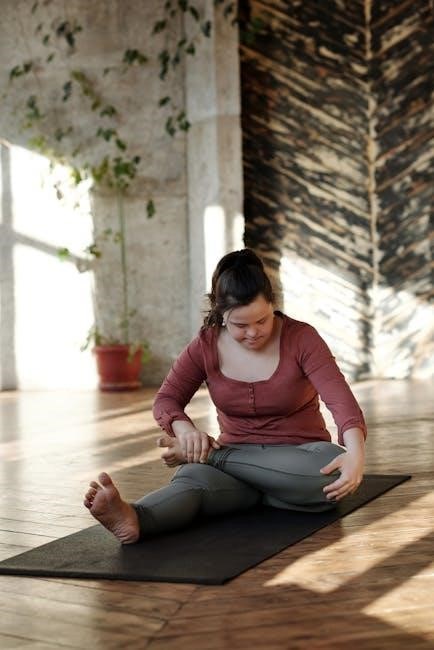
Deep gluteal syndrome exercises PDFs often showcase several piriformis stretch variations to target the muscle from different angles. The classic seated piriformis stretch involves crossing one ankle over the opposite knee and gently leaning forward. A supine variation has you lying on your back, bringing the affected knee towards your chest, and rotating your hip.
Another effective technique is the figure-four stretch, performed lying down or seated. Resources like those from Cleveland Clinic demonstrate these techniques. You can also use a foam roller to gently massage the piriformis muscle. Remember to maintain a relaxed posture and avoid pushing beyond your pain threshold. Experiment with these variations to find what provides the most relief, and incorporate them regularly into your stretching routine.
Hamstring Stretches for DGS Relief
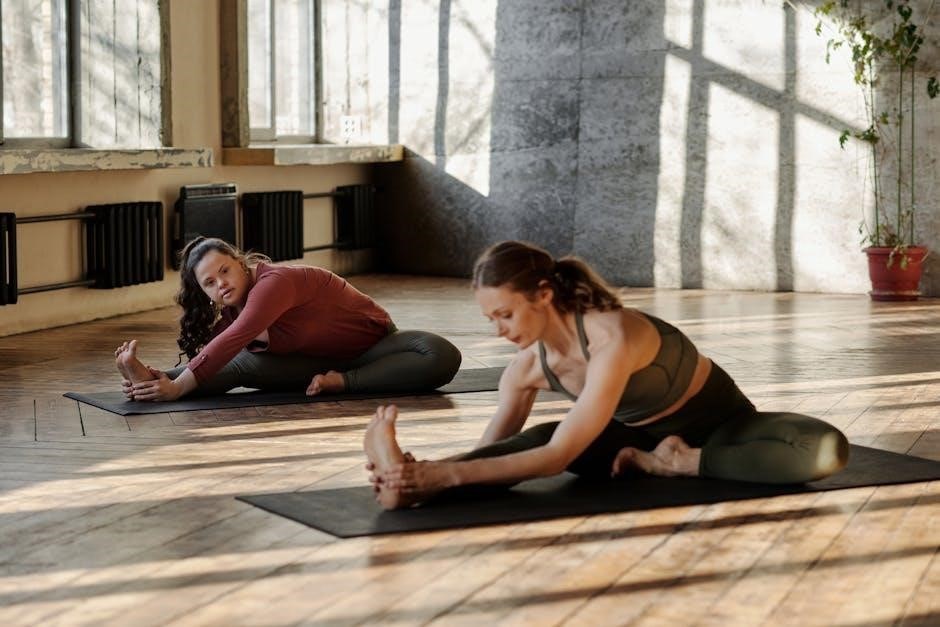
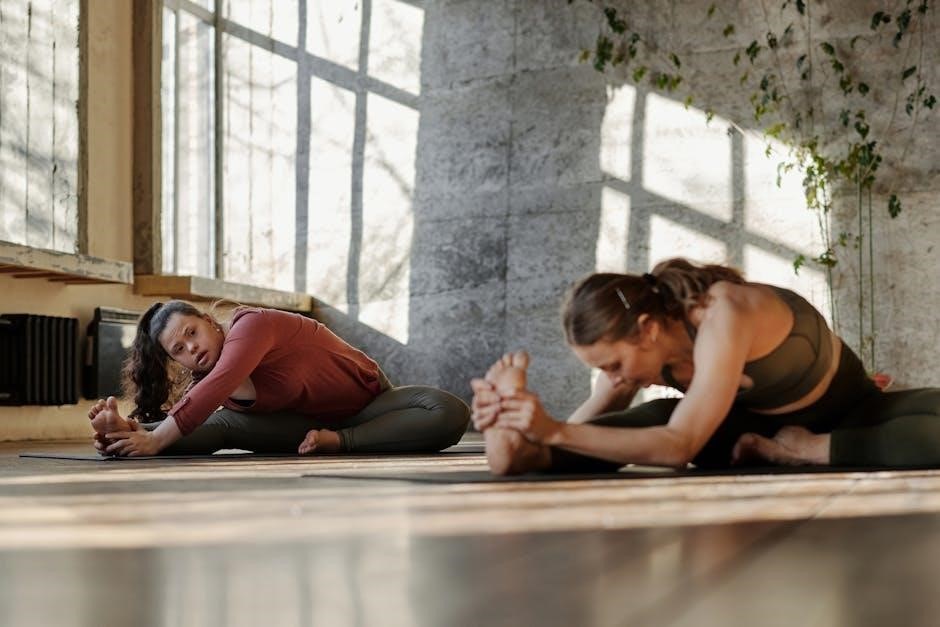
Many deep gluteal syndrome exercises PDFs emphasize the importance of hamstring flexibility, as tight hamstrings can exacerbate DGS symptoms. The standing hamstring stretch, gently reaching for your toes with a slightly bent knee, is a common starting point. A seated hamstring stretch, extending one leg and reaching towards your foot, provides a deeper stretch.
Resources like those found on Cleveland Clinic’s website highlight the connection between hamstring tightness and piriformis syndrome, a condition often linked to DGS. Utilizing a towel or strap looped around your foot can assist in achieving a more comfortable and effective stretch. Remember to breathe deeply and avoid bouncing. Consistent hamstring stretching can help reduce tension in the posterior chain, alleviating pressure on the deep gluteal space and improving overall mobility.
Hip Flexor Stretches to Address Imbalances
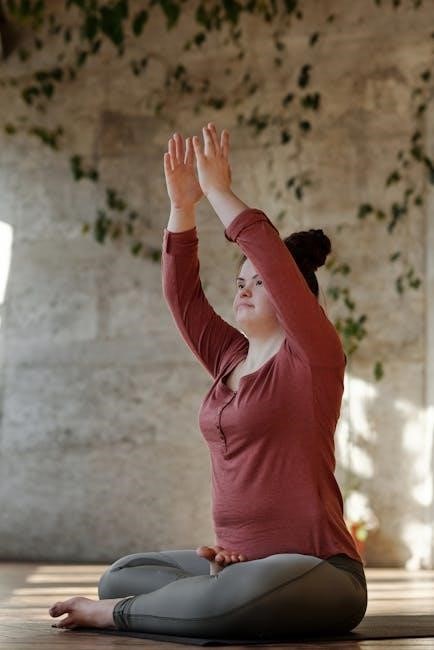
Deep gluteal syndrome exercises PDFs frequently incorporate hip flexor stretches, recognizing that tightness in these muscles can contribute to pelvic imbalances and exacerbate DGS symptoms. The kneeling hip flexor stretch, gently leaning forward while keeping your back straight, is a foundational exercise. Another effective stretch is the couch stretch, placing your shin against a wall or elevated surface.
Addressing hip flexor tightness is crucial because shortened muscles can pull the pelvis forward, impacting the deep gluteal space. Resources emphasize the importance of maintaining a neutral pelvic position. Hold each stretch for 30 seconds, focusing on a gentle, sustained stretch rather than forceful movement. Consistent hip flexor stretching, often detailed in downloadable guides, helps restore proper biomechanics and alleviate pressure on the sciatic nerve and surrounding structures.
Strengthening Exercises for DGS

Deep gluteal syndrome exercises PDFs consistently highlight the importance of strengthening key muscle groups to provide stability and support to the pelvis and hips. Gluteus maximus and medius exercises are paramount, often including bridges, clamshells, and single-leg deadlifts. These exercises aim to improve hip extension, abduction, and external rotation – movements often compromised in DGS.
Strengthening isn’t just about the glutes; core stability is also vital. Planks, bird-dogs, and pelvic tilts are frequently recommended to enhance core engagement and improve overall postural control. PDFs often present exercise progressions, starting with bodyweight exercises and gradually adding resistance. The goal is to build strength and endurance in the muscles surrounding the hip joint, creating a more stable and functional movement pattern, ultimately reducing irritation and pain.
Gluteus Maximus Strengthening
Deep gluteal syndrome exercises PDFs emphasize gluteus maximus strengthening as foundational for pelvic stability. Exercises commonly included are glute bridges – both standard and single-leg variations – to improve hip extension power. Hip thrusts, utilizing a bench for increased range of motion, are also frequently recommended, often with added weight as strength improves.
Beyond isolated exercises, functional movements are key. Lunges, squats, and step-ups engage the gluteus maximus in a more integrated way, mimicking everyday activities. PDFs often detail proper form cues to ensure correct muscle activation and prevent compensatory movements. Strengthening the gluteus maximus helps to offload stress from the deep gluteal space, reducing compression on the sciatic nerve and alleviating DGS symptoms. Progressive overload is crucial for continued gains.
Gluteus Medius Strengthening
Deep gluteal syndrome exercises PDFs consistently highlight the importance of gluteus medius strengthening for hip stabilization. This muscle is crucial for preventing pelvic drop during single-leg stance, a common issue in DGS. Side-lying leg raises are a staple exercise, often progressing to include ankle weights or resistance bands. Clamshells, another frequently prescribed exercise, target the gluteus medius in a controlled manner.
Functional exercises further enhance gluteus medius strength. Single-leg balance exercises, incorporating perturbations or reaching movements, challenge stability. Lateral band walks, using a resistance band around the ankles, effectively engage the muscle. PDFs emphasize maintaining proper form – a neutral spine and avoiding hip hiking – to maximize effectiveness. A strong gluteus medius helps to dynamically stabilize the pelvis, reducing stress on the deep gluteal structures and alleviating pain.
Core Strengthening Exercises for Stability
Deep gluteal syndrome exercises PDFs frequently emphasize that a strong core is foundational for pelvic and hip stability. The core muscles work in synergy with the gluteal muscles to control movement and maintain proper alignment. Planks, in various modifications (forearm, high plank, side plank), are consistently recommended to engage the entire core musculature. Bird-dog exercises improve core stability while challenging coordination.
Progressive core work is key. PDFs suggest starting with basic exercises and gradually increasing the difficulty. Dead bugs, focusing on controlled limb movements while maintaining a stable core, are a good starting point. Exercises like Pallof presses, using a resistance band, challenge anti-rotation and further enhance core stability. A robust core provides a solid base of support, reducing compensatory movements that can exacerbate deep gluteal pain and dysfunction.
Specific Exercises Based on Severity
Deep gluteal syndrome exercises PDFs often categorize routines by symptom severity. Beginner-level programs prioritize gentle stretches like the supine piriformis stretch and modified hamstring stretches, focusing on pain reduction and improved range of motion. Intermediate levels introduce gluteus medius strengthening with side-lying leg raises and clamshells, alongside more dynamic stretches.
Advanced exercises, for those with greater strength and reduced pain, incorporate single-leg deadlifts, lunges, and resisted hip abduction. PDFs emphasize listening to your body and avoiding exercises that significantly increase pain. Progression should be gradual, and modifications are encouraged. It’s crucial to remember that a personalized approach, guided by a healthcare professional, is vital for optimal results and preventing re-injury. The goal is to restore function and prevent recurrence.
Beginner-Level Exercises
Beginner-level exercises, frequently detailed in deep gluteal syndrome exercise PDFs, prioritize gentle movements to alleviate pain and improve flexibility. Key exercises include the supine piriformis stretch – lying on your back and pulling your knee towards your opposite shoulder. Modified hamstring stretches, performed with a slight bend in the knee, are also beneficial.
Gentle gluteal squeezes and pelvic tilts help activate core muscles without overstressing the deep gluteal region. These exercises should be performed slowly and with controlled movements, focusing on proper form. PDF guides often recommend starting with 5-10 repetitions of each exercise, gradually increasing as tolerated. Avoid any movements that exacerbate pain, and prioritize consistency over intensity. The aim is to establish a foundation for more advanced exercises.
Intermediate-Level Exercises
Intermediate exercises, often outlined in comprehensive deep gluteal syndrome exercise PDFs, build upon the foundation established by beginner routines. These include progressed piriformis stretches, such as seated or standing variations, increasing the intensity of the stretch. Banded lateral walks effectively target the gluteus medius, crucial for hip stability.
Bridging exercises, with a focus on controlled hip extension, strengthen the gluteus maximus and core. Clamshells, utilizing resistance bands, further isolate the gluteus medius. PDF resources typically suggest 10-15 repetitions for each exercise, performed 2-3 times a week. Maintaining proper form remains paramount; focus on engaging the correct muscles and avoiding compensatory movements. Listen to your body and modify exercises as needed, gradually increasing resistance or repetitions.
Advanced-Level Exercises

Advanced exercises, detailed in specialized deep gluteal syndrome exercise PDFs, challenge strength and stability further. Single-leg Romanian deadlifts (RDLs) with light weights enhance hamstring and gluteus maximus engagement, demanding greater balance and control; Bulgarian split squats significantly increase gluteus and quadriceps activation.
Hip thrusts, utilizing heavier resistance, maximize gluteus maximus strength. Lateral band walks with increased band resistance continue to refine gluteus medius function. PDF guides often recommend 3 sets of 8-12 repetitions, emphasizing slow, controlled movements. Incorporating plyometric exercises, like jump squats (if pain-free), can improve power. Prioritize impeccable form to prevent injury; these exercises require a solid foundation of strength and stability. Always consult a physical therapist before progressing to this level.
Preventative Measures & Long-Term Management
Long-term DGS management, often outlined in comprehensive exercise PDFs, centers on consistent flexibility and strength maintenance. Regularly performing stretches – piriformis, hamstring, and hip flexor – prevents muscle imbalances. Continued gluteus medius and maximus strengthening is crucial for hip stability.
Ergonomic assessments of workspaces are vital; adjust chair height and ensure proper posture. Avoid prolonged sitting and incorporate frequent movement breaks. PDF resources emphasize a holistic approach, including core strengthening for overall spinal support. Listen to your body and modify exercises as needed. Maintaining a healthy weight reduces stress on the hip joint. Regular follow-ups with a physical therapist ensure continued progress and address any recurring symptoms, promoting lasting relief and preventing future flare-ups.
Maintaining Flexibility and Strength
Deep Gluteal Syndrome (DGS) exercise PDFs consistently highlight the importance of ongoing flexibility and strength work. Regular stretching – focusing on piriformis, hamstrings, and hip flexors – prevents muscle tightness that can exacerbate symptoms. Strengthening the gluteus medius and maximus is paramount for hip stabilization and proper biomechanics.
PDF guides often include progressive exercise plans, starting with low-impact movements and gradually increasing intensity. Consistency is key; aim for daily or near-daily exercise sessions. Core strengthening exercises, detailed in many resources, provide essential spinal support. Proper form is crucial to avoid re-injury. Consider incorporating dynamic stretches before activity and static stretches afterward. This proactive approach helps maintain long-term relief and prevents recurrence of DGS symptoms.
Ergonomic Considerations
Deep Gluteal Syndrome (DGS) exercise PDFs often extend beyond just movement, emphasizing ergonomic adjustments to daily life. Prolonged sitting, a common trigger, necessitates mindful workstation setup. Ensure proper chair support, promoting a neutral pelvic position and reducing pressure on the deep gluteal space. Regular breaks to stand and walk are crucial to prevent muscle stiffness.
PDF resources may suggest avoiding prolonged hip flexion, like during long drives. Consider lumbar support and adjust seat angles for optimal comfort. Pay attention to posture throughout the day, consciously engaging core muscles. Modifying activities that aggravate symptoms is vital. Ergonomic assessments can identify and address potential stressors. Combining exercise with ergonomic awareness creates a holistic approach to managing DGS and preventing future flare-ups;